

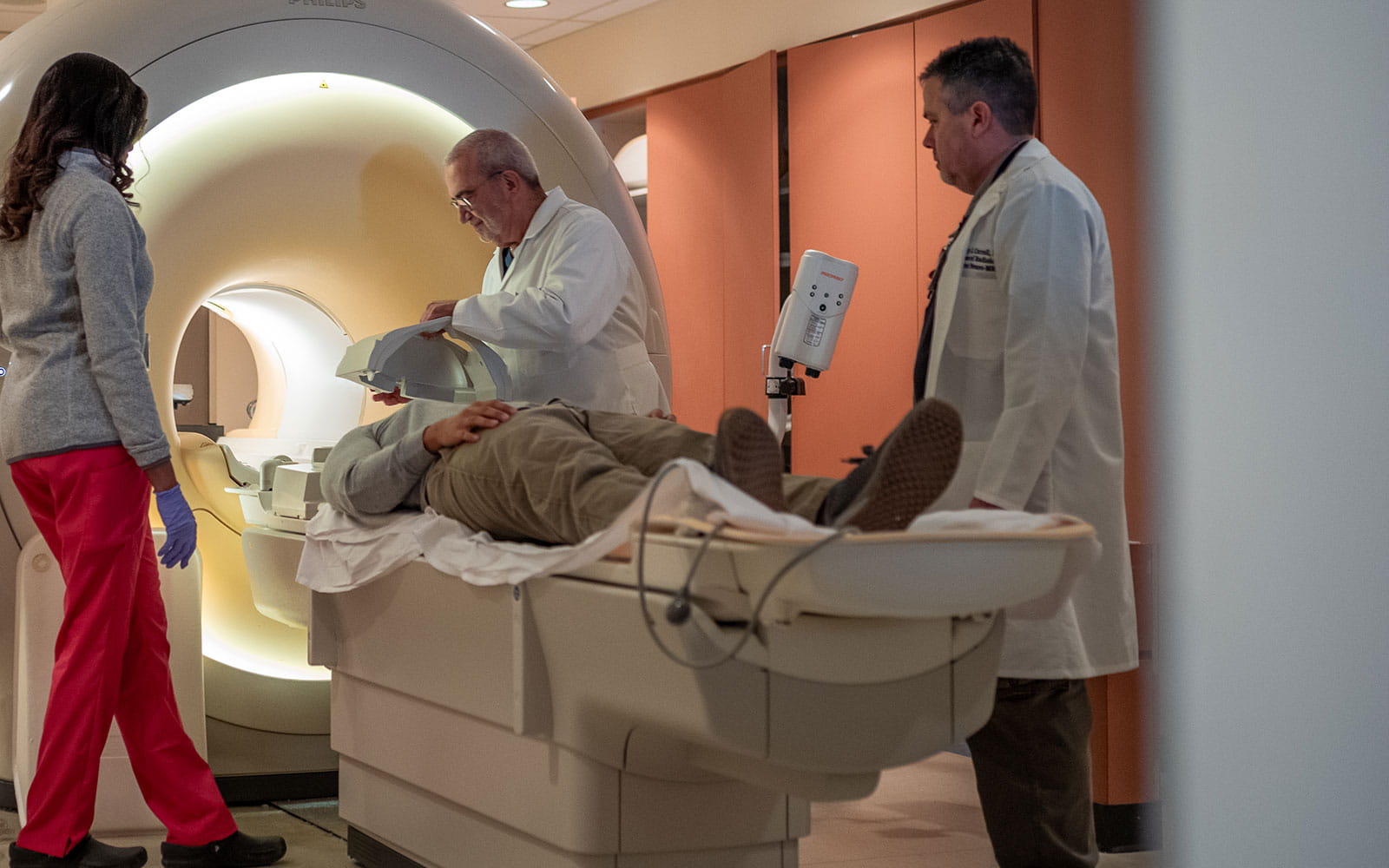
Research improves our health
From advancing cancer immunotherapy to developing new treatments that target disease at the molecular level—our medical breakthroughs are impacting lives.
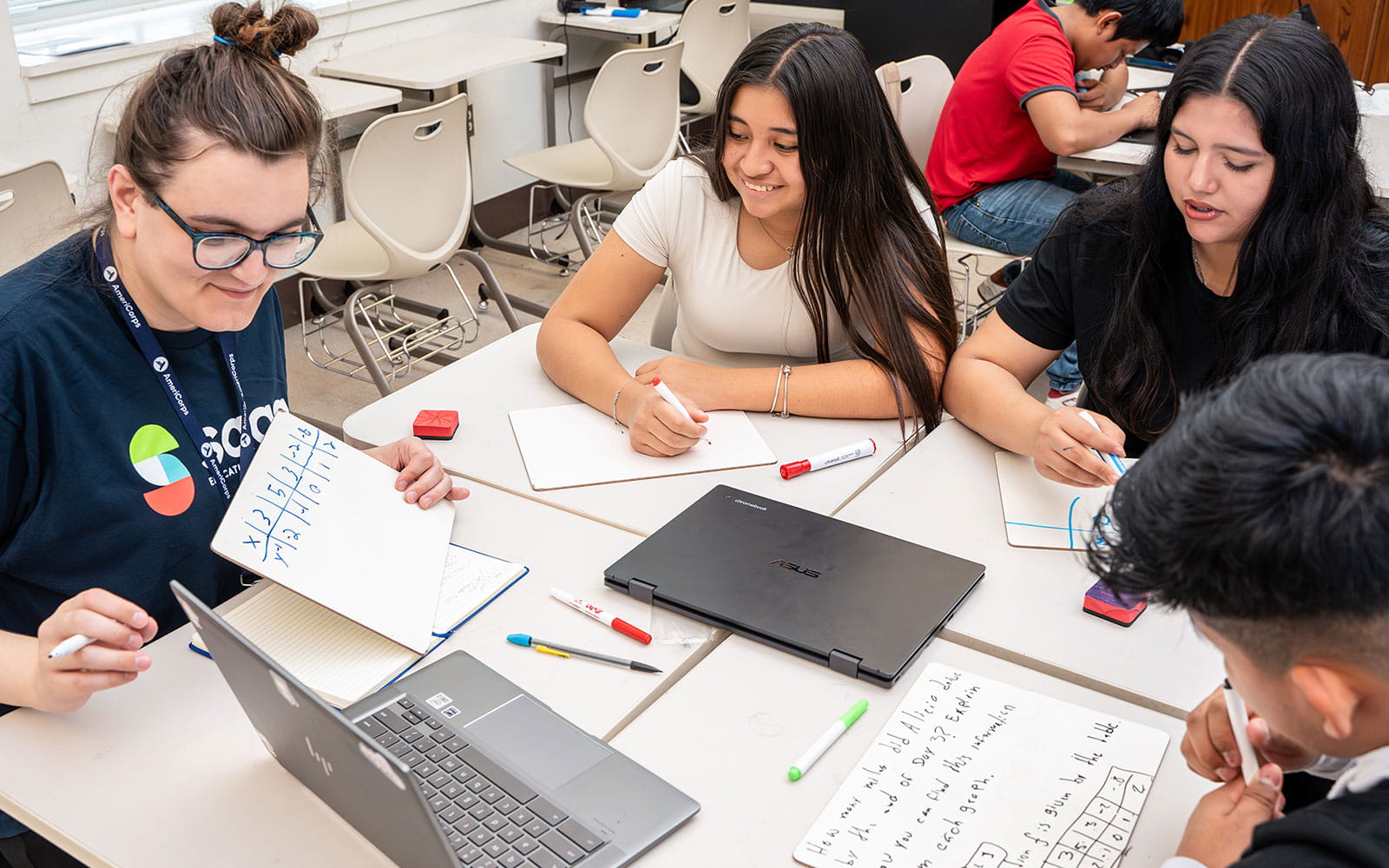
Research tackles complex social problems
Breakthrough scholarship at UChicago has not only changed the way we think and view the world, but has benefitted society in fundamental ways.
Research drives technological advances
Discovery at UChicago is actively focused on solving problems, while developing and employing new techniques and innovative technology.
From Idea to Industry
We turn groundbreaking research into new businesses. UChicago has helped entrepreneurs take big ideas—from new cancer treatments to green energy solutions—from the labs to the real world. Through the Polsky Center’s world-renowned New Venture Challenge, more than 370 startups have been launched, including Grubhub, Braintree/Venmo and Simple Mills.
Go inside our research labs

Meet the Researchers
Our economic impact
UChicago faculty have played an influential role in shaping the U.S. economy, through their insights on financial policy or their work as economic advisors to presidents. Their breakthroughs in medicine have led to new cures, startups and industry partnerships—and their research in partnership with Argonne and Fermilab national laboratories have large-scale economic impact. Studies have shown that every $1 spent by the NIH generates $2.56 of economic activity.